Voracidad carnívora
Enviado por Silvia Ribeiro el
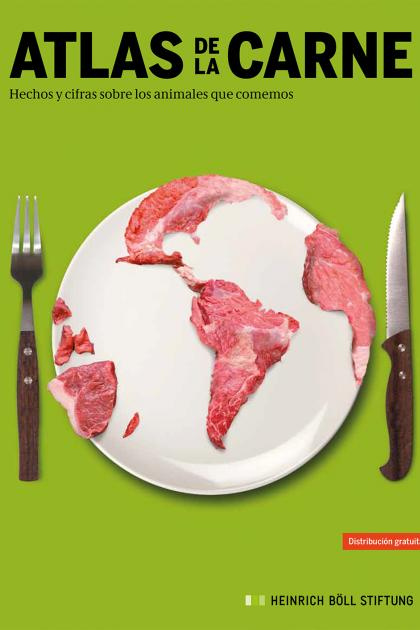
La producción industrial de carnes y sus derivados se está convirtiendo en un enorme problema de contaminación ambiental y despojo de tierras y agua. Es también uno de los mayores factores de cambio climático y el principal destino global de los cultivos transgénicos. Por si fuera poco, la cría industrial confinada de animales se caracteriza por la crueldad y debido al hacinamiento y la gran cantidad de antivirales y antibióticos que se aplican, es un criadero de nuevas enfermedades animales y humanas, como la gripe aviar y la gripe porcina. El origen de ésta última, por ejemplo, se detectó en Perote, Veracruz, en los criaderos de cerdos de Granjas Carroll.
Ver en esta página la segunda parte de este artículo: “La carne que se come al mundo”.