Agricultura digital contra los derechos del campesinado y de los trabajadores del sector alimentario
Enviado por Veronica Villa el
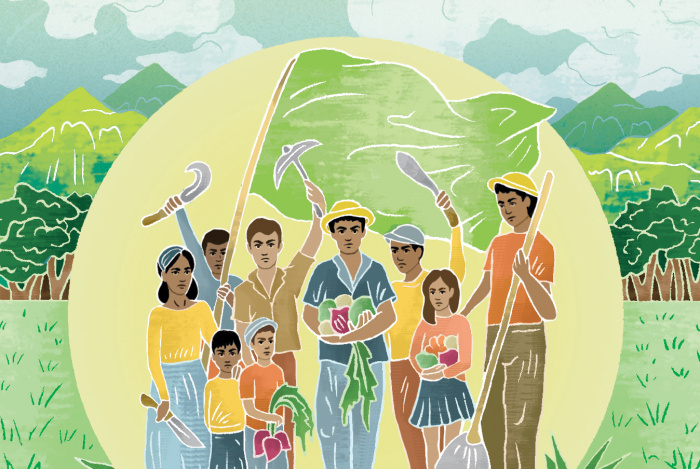
“Funcionamiento” de la agricultura digital en América Latina y África, algunos ejemplos
Enviado por Veronica Villa el
Enviado por Veronica Villa el
Enviado por Laura Dunn el

Ha surgido un debate sobre qué proporción del suministro mundial de alimentos proviene de la agricultura campesina y en pequeña escala, un debate que puede tener grandes implicaciones para la elaboración de políticas que respondan al hambre. Organizaciones de la sociedad civil y movimientos campesinos han calculado que alrededor del 70% del mundo es alimentado por la agricultura campesina y en pequeña escala. Sin embargo, dos trabajos académicos recientes afirman que sólo alimenta a un tercio de la población mundial.
Enviado por Laura Dunn el

Organizaciones con gran experiencia en trabajos sobre alimentación y temas agrícolas escribieron hoy al Director General de FAO, criticando duramente a la agencia de las Naciones Unidas por un informe de 2021, que es estadísticamente confuso y contradice las posturas de FAO.
Enviado por Laura Dunn el
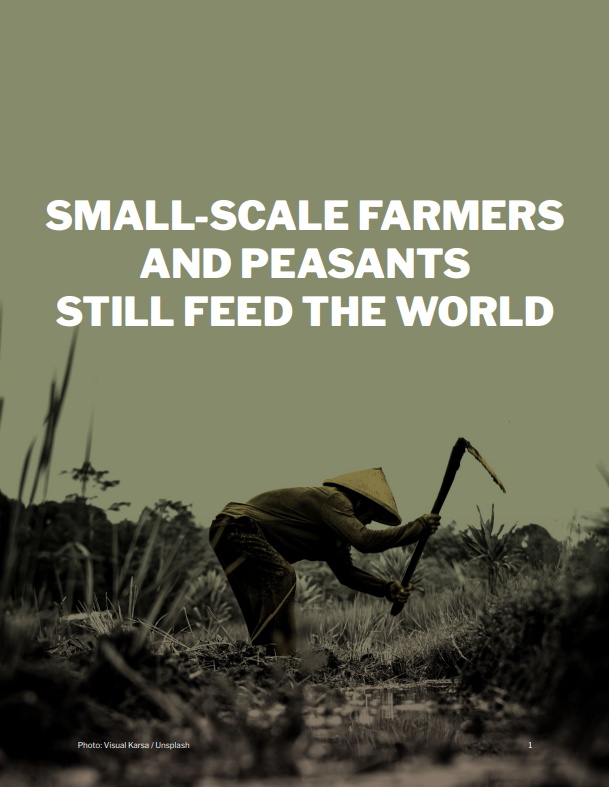
A debate has emerged as to what proportion of the global food supply is produced by small-scale food producers - one that may have big implications for policy-making addressing hunger. Civil society organisations and peasant movements have estimated that around 70% of the world is fed by small-scale farmers and other peasants. However, two recent academic papers are claiming that small farm producers really only feed about one third of the world’s population.
Enviado por Laura Dunn el
Enviado por Laura Dunn el
ETC Group is sad to have learned of the passing of Dr Arpad Pusztai on 17th December this Year. Dr Pustzai was a much respected, highly published UK government food safety scientist originally from Hungary. In 1998 his research, which raised questions about the safety of Genetic Engineering in potatoes, caused a political storm, cost him his job and became the lightning rod for a fierce public debate and popular revolt against GM foods in the UK .
Enviado por Laura Dunn el
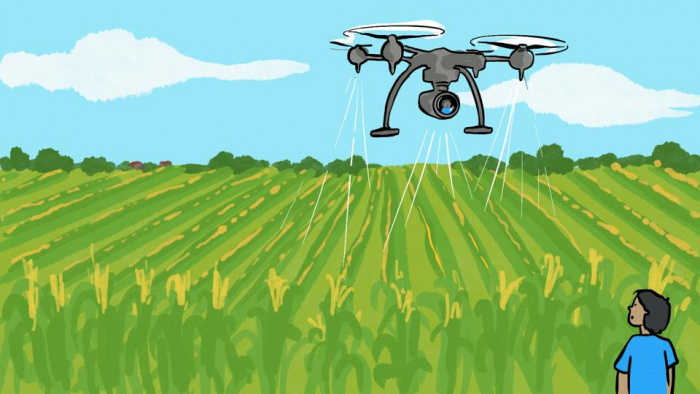
Digital agriculture, as being proposed by giant agribusiness and data companies, should come with a warning for farmers, farm workers and food vendors. Read our blog below to find out about why in more detail (with examples) and about alternative approaches (also with some real world, feasible examples). But if you are short of time, check out our bullet point ‘what to watch out for’ summary:
Farmers:
Enviado por Laura Dunn el
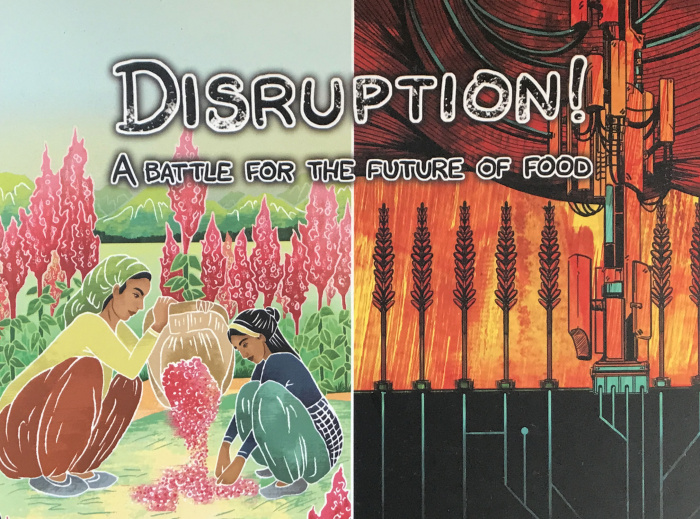
Who decides the future of food? When politicians, companies and others talk about ‘the food system’, they include the work of growing, producing and distributing food. But there is more than one way of organising a food system. Over the last few decades, the way in which people grow, share and eat food around the world has become a tale of two conflicting food systems – which we call the Industrial Food Chain and the Peasant Food Web. We created the game Disruption! to bring to life the tension between these two food systems and reveal the dangerous dynamics it creates.
Enviado por Laura Dunn el

Les mauvais sommets sur les systèmes alimentaires
Enviado por Ronnie Hall el
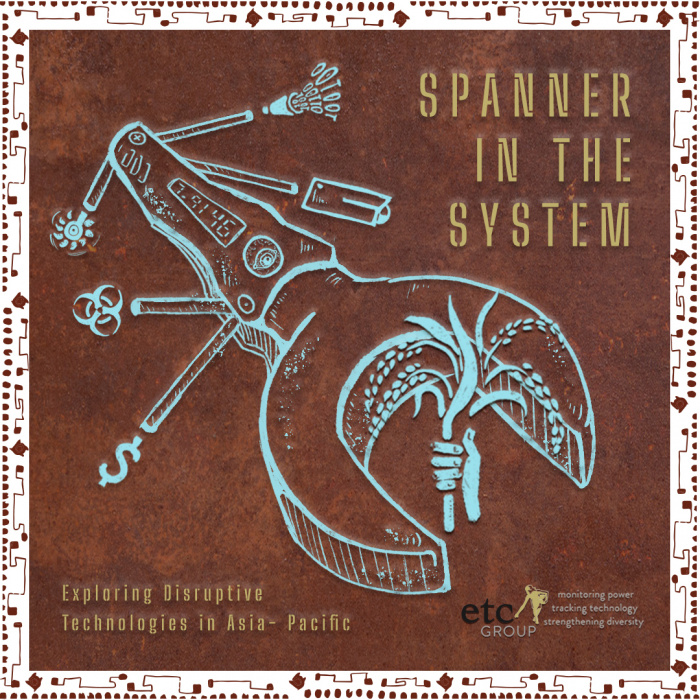
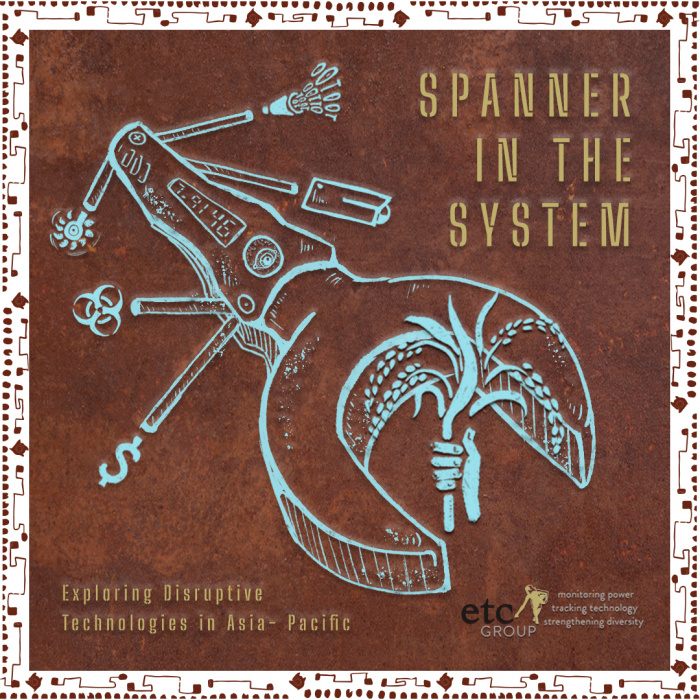
In celebration of United Nations World Philosophy Day 2021, ETC Group presents its third and final podcast in the "Spanner in the System" series, focussing on the philosophical underpinnings of corporate visions for disruptive technology.
You can listen to it on our podcast channels on Apple, Google, Spotify and YouTube, and here.
Enviado por Ronnie Hall el
For immediate release
Tuesday, 16 November 2021
Enviado por Veronica Villa el
COMUNICADO DE PRENSA
15 de noviembre de 2021
Enviado por Laura Dunn el
PRESS RELEASE
Enviado por Veronica Villa el
Para distribución inmediata
Glasgow, 2 de noviembre, 2021
Enviado por Veronica Villa el
Por el Grupo ETC
Enviado por Ronnie Hall el
For immediate release
Glasgow, Tuesday 2 November 2021
Enviado por Veronica Villa el
En resumen:
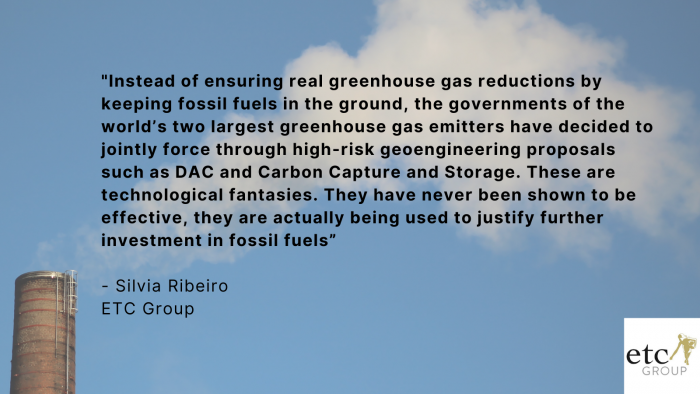
1. En la COP 26 de la Convención Marco de Naciones Unidas sobre Cambio Climático (CMNUCC) se están promoviendo arriesgados planes de geoingeniería para justificar el problemático concepto de “cero neto”, que distraerá de realizar los cambios necesarios para llegar realmente a cero emisiones contaminantes.
2. Las técnicas de geoingeniería, en gran medida inexistentes, se basan en teorías científicas sesgadas, que proporcionan a la industria de los combustibles fósiles una coartada más para seguir extrayendo y contaminando.
3. Contrarrestar las narrativas de gobiernos y corporaciones que promueven “cero emisiones netas” y geoingeniería, es una tarea vital en la COP26. No podemos perder el poco tiempo que tenemos para cambiar realmente el curso del caos climático.
Enviado por Laura Dunn el
Find out what geoengineering is, why it's so dangerous, and why the idea of these largely non-existent technologies is being used as an alibi for the fossil fuel industry to continue extracting and polluting.
You can listen to it on our podcast channels on Apple, Google, Spotify and YouTube, and here.
Enviado por Laura Dunn el
Summary:

Para saber más sobre el Grupo ETC o para contactarnos.